Is Your AC Failing? Key Indicators It Needs Immediate Repair in Dubai
For residents and business owners in Dubai, air conditioning is not merely a modern convenience—it is an absolute necessity for survival and productivity. The relentless desert sun and high humidity of the UAE demand that your cooling infrastructure operates flawlessly around the clock. Yet, despite its critical importance, many property owners treat their HVAC systems with a reactive mindset, only calling for help when the unit completely shuts down in the middle of July.
At Swefix, we emphasize that catastrophic cooling failures are rarely sudden. In almost every case, the system attempts to communicate its mechanical distress for weeks prior to a complete breakdown. By learning to decode these hidden red flags, you can intervene early, schedule proactive maintenance, and avoid the staggering costs and physical discomfort associated with emergency repairs.
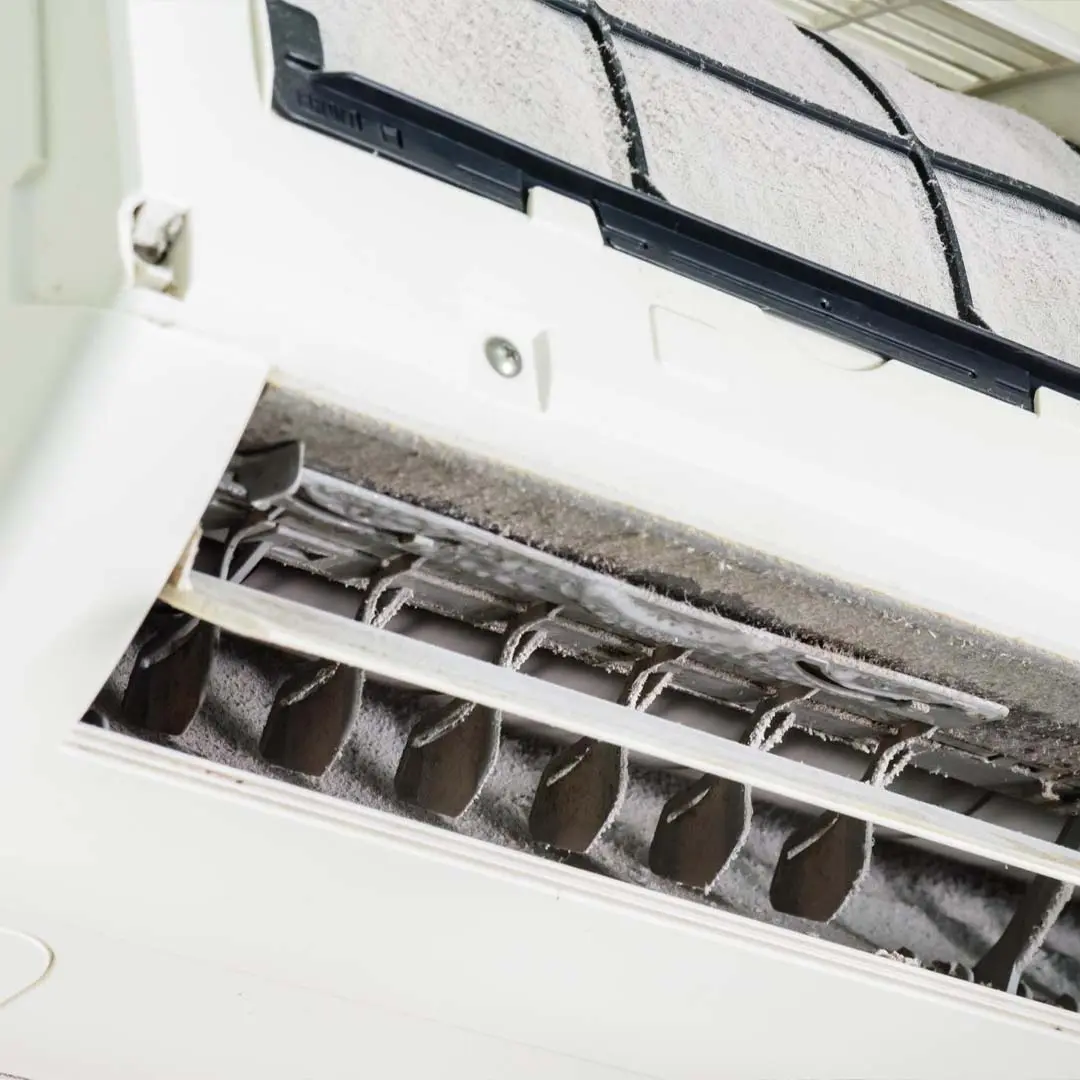
The Silent Alarms: Recognizing HVAC Distress
Your cooling system relies on a delicate balance of electrical currents, chemical refrigerants, and mechanical airflow. When one component begins to degrade, it triggers a domino effect across the entire system. Look out for these undeniable signs that your unit requires immediate technical intervention:
- Spiking Electricity Consumption: One of the most glaring, yet often ignored, indicators of a failing AC is a sudden, inexplicable surge in your monthly DEWA bill. If your usage habits haven't changed but your energy costs are climbing, your compressor is likely overworking to compensate for dirty coils, failing capacitors, or low refrigerant levels.
- Uneven Cooling and Ghost Drafts: If you notice that your living room feels like a freezer while your bedroom remains uncomfortably warm, your system is failing to distribute air evenly. This specific symptom frequently points to leaking ductwork, a failing blower motor, or severe blockages within the air pathways.
- The Presence of Unnatural Moisture: Air conditioning units naturally produce condensation, but this water should safely exit through a dedicated drainage pipe. If you spot water pooling around the indoor handler, damp spots on your ceiling, or ice forming on the copper refrigerant lines, you are dealing with a severe drainage blockage or a frozen evaporator coil.
- Olfactory Warnings (The Smell Test): Your AC should deliver crisp, odorless air. A smell resembling dirty socks or damp earth indicates a serious mold infestation within the unit’s drip pan. Alternatively, a sharp, acrid burning smell signifies melting wire insulation or an overheating motor—a critical fire hazard that requires you to shut off the power immediately.
The Dubai Factor: Why Local Climate Accelerates Wear and Tear
To understand why proactive maintenance is non-negotiable in the UAE, one must look at the environmental context. The Middle Eastern climate is uniquely hostile to mechanical equipment.
The primary culprit is microscopic silica sand. The coastal winds of Dubai carry fine desert dust that acts like sandpaper on moving parts and forms a thick, insulating sludge when it mixes with the high atmospheric humidity on your outdoor condenser unit. When this sludge coats the heat-exchange fins, the system cannot expel the heat it extracted from your home. The compressor then runs continuously, drastically reducing its lifespan from an expected 15 years down to perhaps 5 or 7 years.
Analyzing the Risk: A Maintenance Priority Guide
Not all symptoms require the same level of urgency. Use this diagnostic priority guide to understand when to monitor a situation and when to call the Swefix emergency dispatch:
Why Technical Expertise Matters in the UAE Climate
System Symptom | Likely Engineering Fault | Priority Level |
Mild rattling during operation | Loose fan blade or casing screw | Low: Needs tightening during next service. |
Musty odor upon startup | Mildew accumulation in the drip pan | Medium: Requires sanitization to protect air quality. |
Thermostat reads 24°C, room feels 28°C | Refrigerant depletion or thermostat calibration error | High: Efficiency is heavily compromised; needs diagnostic testing. |
Puddles of water on the floor/ceiling | Fully blocked condensate drain line | Urgent: Immediate risk of severe property and structural damage. |
Swefix: Engineering Reliability for Your Property
When you partner with Swefix for your property maintenance in Dubai, you are choosing a company that operates on the rigorous principles of Swedish engineering and transparency. We do not believe in temporary "band-aid" fixes.
Our certified technical teams utilize advanced diagnostic tools—such as digital refrigerant manifolds, anemometers for airflow testing, and thermal imaging—to pinpoint the exact root cause of your system's distress. A comprehensive intervention by Swefix involves chemical washing of critical coils, pressure-clearing of drainage networks, and recalibration of electrical loads. This proactive, detail-oriented approach guarantees that your cooling system operates at maximum efficiency, safeguarding your comfort and your wallet.
FAQ – Frequently Asked Questions About HVAC Troubleshooting
Given the heavy reliance on air conditioning and the pervasive desert dust, experts strongly advise scheduling a full professional tune-up every 3 to 4 months to ensure continuous efficiency and prevent sudden breakdowns.
Yes. You should remove and wash the indoor mesh air filters every two to three weeks. Clean filters allow the system to breathe easily, though deep mechanical and chemical cleaning must be left to licensed professionals.
Ice formation is a major red flag indicating that the evaporator coil is freezing over. This is almost always caused by either severely restricted airflow (due to a filthy filter) or a dangerous drop in refrigerant gas levels.
Without a doubt. When an AC unit is clogged with dust, it draws significantly higher electrical amps to force air through the blockages. A meticulously cleaned system operates with minimal resistance, directly lowering your DEWA bill.
No, refrigerant gas does not get "used up" like fuel in a car. It circulates in a sealed loop. If your system is low on gas, it means there is a physical puncture or leak in the copper lines that must be brazed and sealed.
Yes. A neglected unit becomes a breeding ground for fungi, bacteria, and dust mites. When the blower activates, it forcefully distributes these allergens throughout your living space, triggering asthma and severe allergies.
The general industry rule is that if your system is over 10 years old and the cost of a single repair (like replacing a dead compressor) exceeds 40% of the cost of a brand-new, energy-efficient unit, replacement is the wiser financial choice.
Our technicians conduct a full diagnostic sweep, which includes chemical coil washing, clearing the condensate drain with high pressure, testing capacitor microfarads, tightening electrical relays, and verifying the thermostat's accuracy.
